

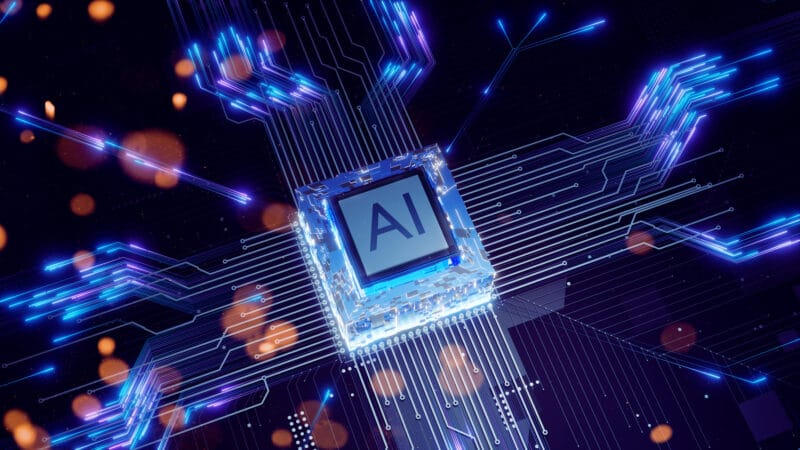
AI is driving significant growth in the demand for electronic components by enabling new applications, enhancing existing technologies and optimizing manufacturing processes across various industries.
AI algorithms are driving significant growth in the demand for electronic components by enabling new applications, enhancing existing technologies and optimizing manufacturing processes across various industries.
JjJJJ
Demand for electronic components that power AI algorithms
AI is being integrated into a wide range of applications across industries, including healthcare, automotive, finance and manufacturing. As AI applications become more prevalent, the demand for electronic components that power AI algorithms. Such as GPUs, TPUs and specialised AI chips is also increasing.
Increased Processing Power
- Complex Algorithms: Running complex AI algorithms requires significant processing power. This translates to a demand for high-performance processors, GPUs (graphics processing units), and specialised AI accelerators. These components are seeing increased demand due to the growing adoption of AI in various fields.
Growth in Specialised Hardware
- Machine Learning Applications: Machine learning, a core component of AI, relies heavily on specialised hardware like Field-Programmable Gate Arrays (FPGAs) and Application Specific Integrated Circuits (ASICs). These components can be optimised for specific AI tasks, leading to increased demand.
Rise of Edge Computing
- Distributed Processing: The trend towards edge computing, where AI processing happens closer to data sources, requires a vast number of electronic components for devices like smart sensors and edge computing nodes. This creates a demand for smaller, more energy-efficient components.
Demand for Memory and Storage
- Large Datasets: Training and running AI models often involve massive datasets. This necessitates a significant increase in memory and storage capacity, driving demand for Dynamic Random Access Memory (DRAM), NAND flash and Solid-State Drives (SSDs).
Impact on Specific Components:
- GPUs: GPUs, with their parallel processing capabilities, are well-suited for AI tasks. This has led to a surge in demand for high-performance GPUs for AI applications.
- CPUs: While GPUs excel in specific AI tasks, traditional CPUs are still crucial for many AI applications. This fuels the demand for high-performance CPUs with increased core counts.
- Specialised AI Hardware: The emergence of specialised AI accelerators like TPUs (Tensor Processing Units) from companies like Google and Nvidia is creating a new category of high-demand components for AI applications.
AI algorithms are acting as a major driver for the electronics component industry
The demand for high-performance processors, specialised hardware, memory and storage is rising significantly. This presents an opportunity for component manufacturers but also creates challenges, such as keeping up with the evolving needs of AI algorithms and ensuring a stable supply chain for these components.
Últimas entradas en Sourcing Knowledge
Sourcing electronics in an eco-conscious world
For manufacturers striving to create environmentally friendly products, sourcing crucial electronic components can feel like walking a tightrope. The very act of procuring these components often clashes with the values of sustainability and responsible resource management.

Sourcing military and defence grade electronics
Helping manufacturers source military and defence grade electronics whether due to obsolescence, legacy, supply chain challenges or cost savings pressures.
Aerospace Electronic Component Suppliers
Whistler are perfectly positioned to help the tightly regulated aerospace sector when it comes to the supply of short lead time, difficult to find or BoM Cost reduction of electronic components.